We need your help to keep this website free. You can
Remember the golden era of social media monetization? Circa 2014, things were remarkably simple for internet personalities. You uploaded a decent piece of content, gathered a few hundred thousand views, and the platform’s native ad system cut you a check that could actually cover your rent. It was a straightforward, almost naive transaction. But talk to any full-time content creator today, and they will probably wince at that memory. The algorithms have grown incredibly volatile. Relying strictly on AdSense or built-in monetization tools is widely considered professional suicide in the current digital climate.
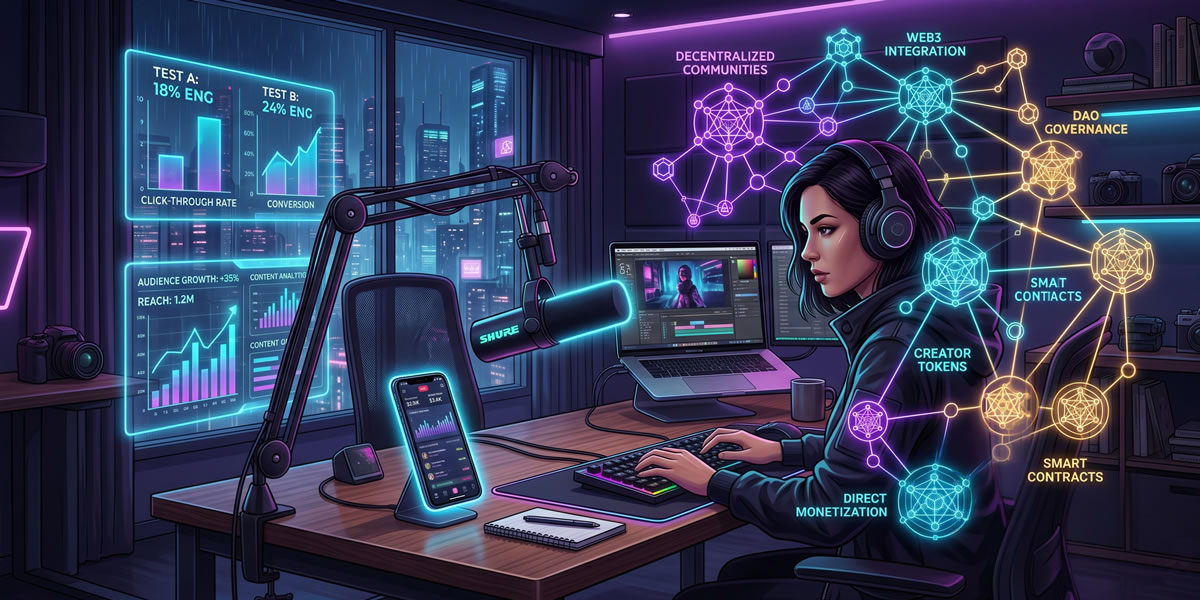
So, the market adapted. Creators stopped waiting for the platforms to pay them and essentially morphed into their own independent media agencies. They began structuring direct, long-term deals with brands, finding ways to integrate products naturally into their daily content flow rather than interrupting it. We are witnessing a massive evolution in which internet personalities secure their financial stability by partnering with a wide range of industries. They team up with hardware manufacturers, cybersecurity apps, lifestyle startups, and even massive global digital entertainment networks like the 1xbet online casino.
The Death of the “Empty View”
For a very long time, the only metric that mattered in marketing was raw reach. Advertisers just wanted their logo in front of as many eyeballs as physically possible, regardless of who those eyeballs belonged to. But marketers eventually woke up to a harsh reality: ten million passive, scrolling viewers are often worth a lot less than fifty thousand fiercely loyal community members.
This understanding turned upside down the social media influence power structure. Micro-influencers became the biggest influencers in the room. An influencer who specializes in an extremely niche topic, such as customized keyboards, online tutorials in digital art creation, or restoration of vintage clothes, can influence their followers’ choices immensely.
Consider what a typical streaming channel does today. Its community doesn't watch a stream; it hangs around on Discord, makes inside jokes, creates memes, and takes part in the broadcast. When the streamer presents a partner company during the broadcast, everything happens very differently from the TV advertisement: it is a very personal and intimate experience. It is literally when your friend tells you, “Hey, I use this tool; maybe you will like it.” This exact kind of organic trust was always desired by the advertising executives of olden days, but impossible to fabricate on their own.
Building an Algorithmic Safety Net
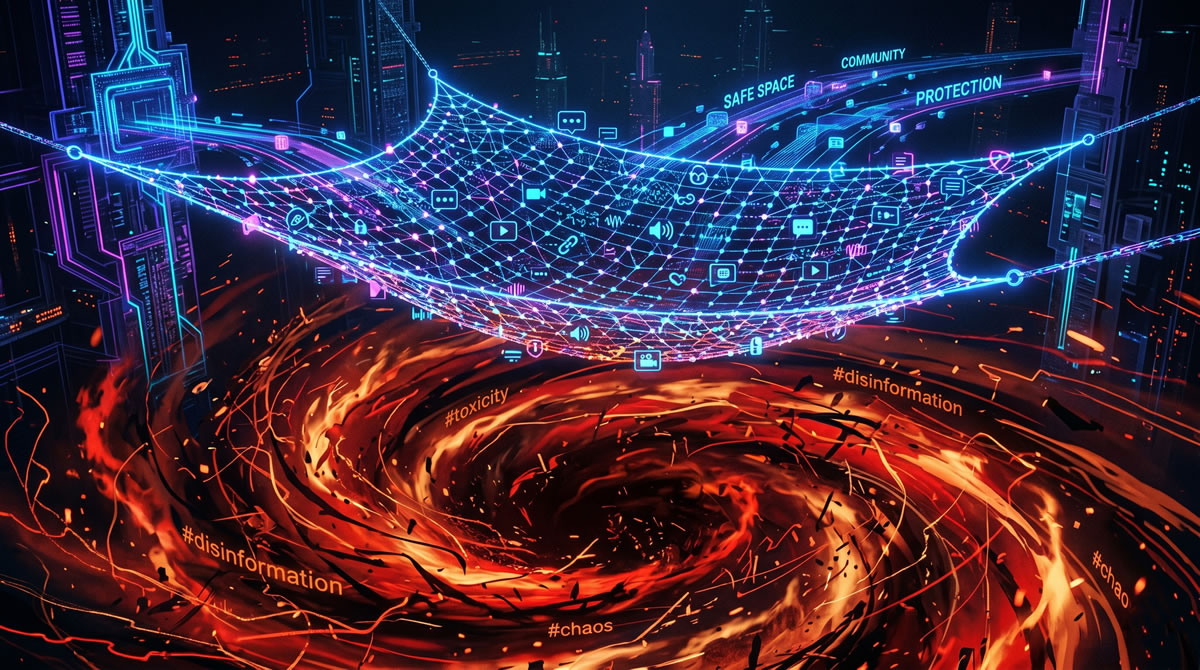
Anybody earning from the internet can relate to the panic of an unplanned algorithm change. You can put three years into perfecting a particular type of video and suddenly find yourself on the losing end because your platform decides overnight to promote only short videos on the vertical plane to user timelines. This is common practice, destroying the creators' channels in the process.
Surviving such chaos is not easy, and that is why today's influencers have built fragmented ecosystems. They are not dependent on one single app anymore. An intelligent influencer will use virals on one platform for discovery, podcasts for holding longer conversations with their audience, and community boards to interact directly with the fans.
Brand collaborations also follow the same principle of survival and thrive in the fragmented ecosystem. Rather than forcing an awkward one-time appearance of the brand on the channel that is skipped by the audience, they are integrated into the whole ecosystem of the influencer. The brand logo can be seen on the stream overlay, video pinned comment, and even mentioned in the weekly newsletters.
Behind the scenes, if one were to observe content creation, it seems much closer to data science than ever before. A couple of years back, one only had to be armed with an effective camera. Nowadays, people are conducting A/B tests and measuring retention all the time. From an outsider’s point of view, there is often a misconception about how AI on social media works, with the belief that its sole purpose is to produce deepfakes or write captions effortlessly. However, for digital entrepreneurs, it’s nothing more than a tool for backend analysis.
Erasing the Geographic Borders
Perhaps the most fascinating part of this modern sponsorship culture is how it completely ignores traditional borders. Digital communities are inherently global. A tech reviewer sitting in a small studio in Toronto can easily have their largest viewership demographic located in Manila, Berlin, or Ulaanbaatar. For years, brands struggled to figure out how to monetize this scattered, international attention. Now? They are leaning right into it. The logistics of digital access have improved so much that a viewer halfway across the world is just as valuable as someone living down the street.
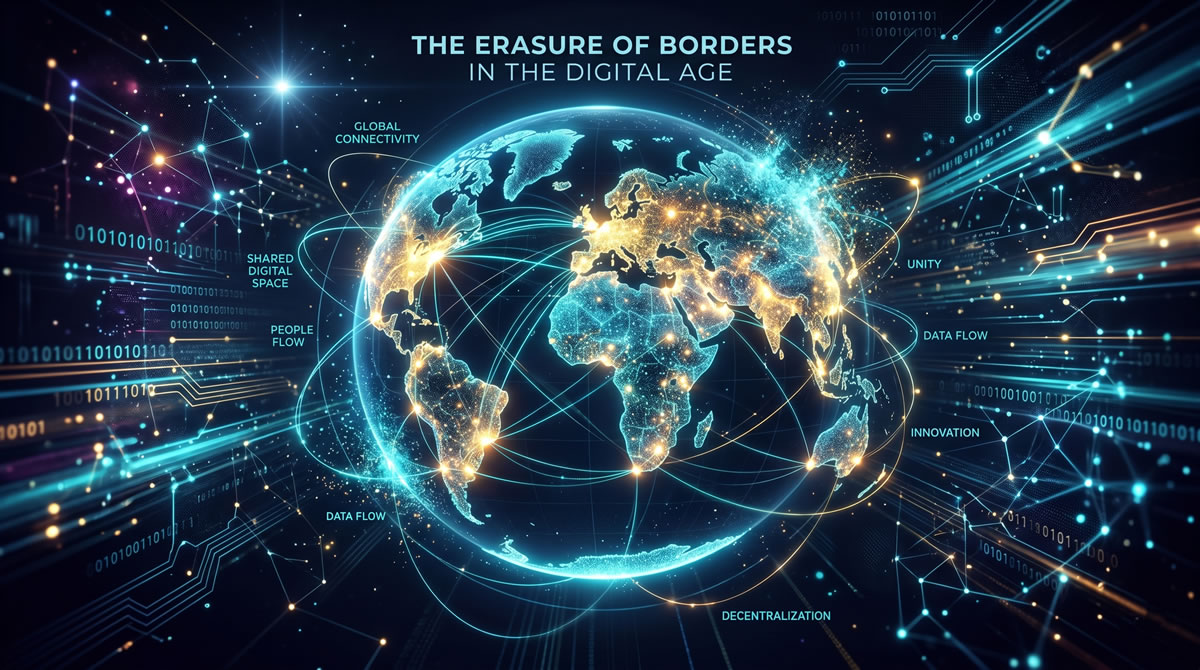
Top-tier creators are actively translating their content, running multi-language channels, and working with sponsors to run hyper-targeted regional campaigns. Instead of pushing a single generic global message, multinational companies use specific influencers to connect with local markets. We see software companies, apparel brands, and international digital platforms executing highly tailored regional strategies, much like how specific corporate branches operate, such as 1xbet Mongolia. It perfectly bridges the gap between massive global infrastructure and familiar, localized community trust.
The Next Era of Digital Independence
The creator economy looks nothing like what it did ten years ago. They aren't teenagers with webcams anymore; they have full-blown media companies. The only thing that keeps them back is the one huge vulnerability – platform monopoly. Yes, you can grow an audience of five million on a gigantic app. Yet, you won't be owning that relationship. Being afraid of arbitrary algorithm hits, many progressive creators are secretly trying to use blockchain-based social media networks. It seems quite clear why – you own your follower graph. There is nobody who would throttle your visibility overnight in order to make you pay for promoted posts.
This desire for true digital ownership correlates very well with how they build their business models today. The creators have had enough of tech giants giving them money; they are creating their own financial buffers with the help of brand collaborations, regional deals, and multichannel ecosystems. It is a pretty messy and complicated process. Yet, I think it is quite natural, especially considering how ambitious they are about their financial independence.