We need your help to keep this website free. You can
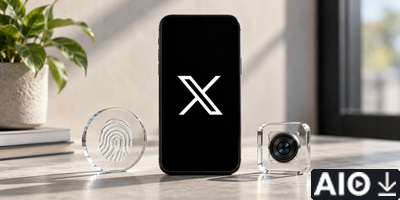
YouTube just widened the net for its likeness detection feature. They first teased this face-scanning tech last fall. The platform now uses uploaded selfies to detect unauthorized use of images. They match your face against videos across the massive site. Creators can finally catch copycats stealing their digital identity. Furthermore, you need a government ID to use this safety net.
This strict check definitely stops bad actors in their tracks. We see a lot of folks worrying about stolen faces today. The tool actively alerts you when someone uploads your face. You can easily request a quick takedown if necessary. YouTube originally gave this to a tiny test group. Above all, they want to ensure the platform is accessible to everyone.
Battling the Fake Video Wave
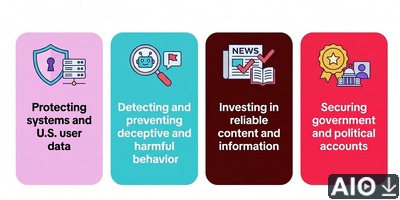
The platform now invites politicians and journalists to try it. AI deepfakes have spread like wildfire across social apps lately. Consequently, fake videos easily trick people during major global events. Millions of adults get their daily news from social networks. They desperately need accurate reporting and real, untouched footage. Bad actors constantly generate fake clips to confuse the public. Scammers copy famous people to push crazy political agendas online.
In contrast, this new face scanner fights back against dangerous misinformation. The system spots these fake AI clones almost instantly. We all deserve real news without digital tricks confusing us. The company hopes this identity verification tool cleans things up. Protecting high-profile targets keeps the whole ecosystem much safer.
Balancing Privacy and Protection
Some folks genuinely worry about giving tech giants their biometric data. Handing over your face scan feels pretty risky to many. Uploading a government ID adds another layer of deep privacy concerns. Nevertheless, YouTube promises to protect this sensitive information. They only use your data to verify your actual identity. They don’t train their generative AI models on your selfies. Google stores this personal information solely for security purposes.
You must weigh these privacy fears against the real benefits. Stopping digital impersonation likely makes the trade-off worthwhile. On the flip side, ignoring the deepfake problem hurts absolutely everyone. Users must decide if they trust the platform enough today. Would you like me to analyze other digital privacy tools next?