We need your help to keep this website free. You can
Remember the days when live streaming was basically watching someone struggle through a tricky Dark Souls boss fight in their poorly lit bedroom? Yeah, those days are completely gone. Today, the creator economy is a multi-billion-dollar battlefield. And honestly, the corporate drama happening behind the scenes is often way more entertaining than the actual streams themselves. We’ve watched social media platforms evolve from quirky gaming hubs into massive entertainment conglomerates, all desperately trying to balance creator freedom with the squeaky-clean demands of their advertisers.
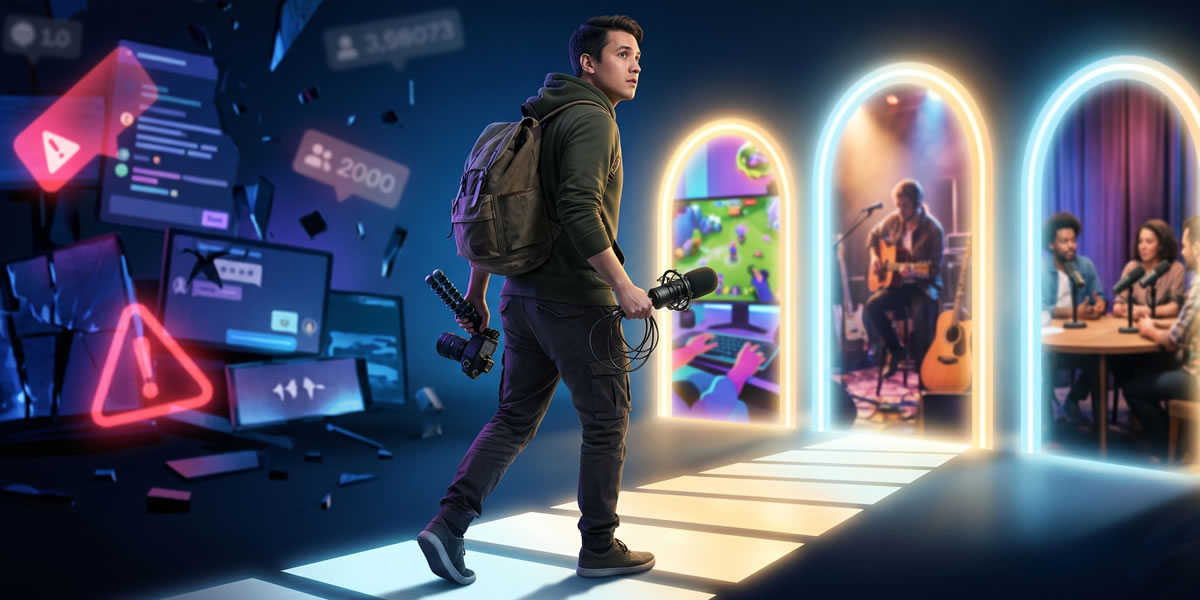
Things really hit the fan back in late 2022. Twitch dropped a massive hammer, abruptly banning unregulated slots and roulette streams. Some folks called it a necessary moral victory, while others saw it as pure corporate overreach. Either way, top creators suddenly found their most lucrative content formats cut off overnight. So, what did they do? They packed their digital bags. They took their massive, fiercely loyal audiences with them, funneling millions of viewers away from the mainstream and directly toward offshore platforms that heavily promote deals tied to gambling sites not on gamstop. It completely shifted the balance of power in the streaming world, and we are still watching the fallout.
Twitch vs. Kick: The Main Event
To really understand this shift, you have to look at the two heavyweights currently slugging it out. Amazon-backed Twitch had to protect its ad revenue. It makes sense from a boardroom perspective. You can’t have major global brands running their family-friendly commercials right next to a stream where someone is dropping fifty grand on a single roulette spin.
But nature abhors a vacuum. Enter Kick. Backed heavily by the founders of the crypto-casino Stake, Kick didn’t just offer an alternative; they threw a grenade into the industry standard. They lured ousted creators with a ridiculous 95/5 revenue split and practically no rules against wagering on stream. It wasn’t just a life raft for banned creators like Trainwreckstv—it was a luxury yacht. When they signed xQc to a reported $100 million non-exclusive deal, the entire industry stopped laughing and started taking notes.
Here is a quick look at how the two platforms stack up right now:
Where Do the Other Social Giants Stand?
So, while Twitch and Kick fight over the high-stakes streamers, what is the rest of the social media landscape doing? It’s a pretty mixed bag.
YouTube sits firmly in the middle. They have the infrastructure to crush everyone, but they play it safe. Their moderation is tight, though they mostly focus on making sure creators can actually survive their ever-changing algorithm. To understand the complexity of their ecosystem, examining how YouTube creators can grow smarter in 2026 with proper translation and channel protection is incredibly eye-opening. They care about long-term growth, not volatile, risky content.
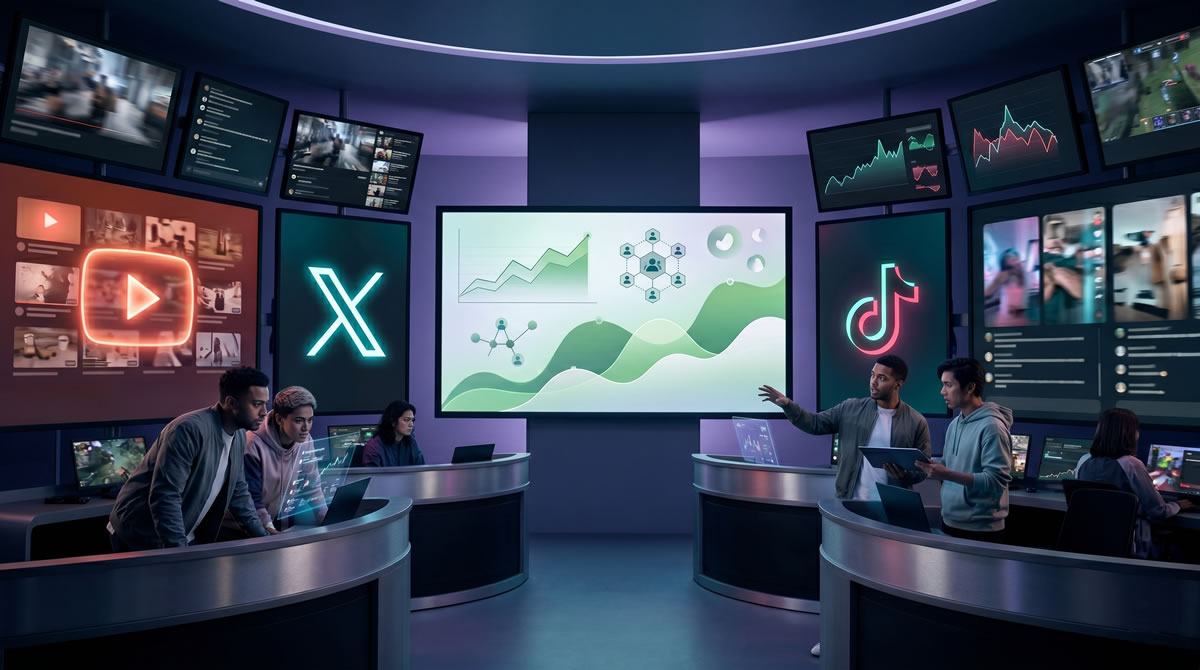
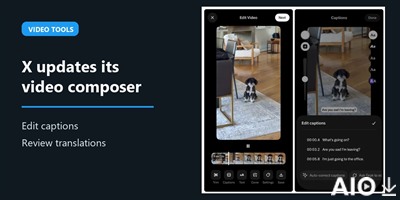
Then there’s Elon Musk’s X (formerly Twitter). Musk is actively trying to court displaced creators by opening the financial floodgates. They are practically begging video creators to upload natively, launching massive creator payouts to boost X articles and video engagement. Because X has notoriously lax content moderation at the moment, many edgy streamers use it as their primary channel to direct audiences to off-platform sites.
TikTok is another weird case. On paper, they have strict community guidelines. In reality? The live feeds are full of loopholes. While we see TikTok creators cash in with direct Cameo integration and mainstream brand deals, the moderation around subtle wagering streams is incredibly inconsistent. Facebook Gaming, meanwhile, has basically quietly tapped out of this specific culture war, sticking mostly to mobile gaming streams in emerging markets.
Why the Audience Keeps Following
You might think that making it harder to find this content would kill the viewership. It didn’t. In fact, the exclusivity almost made it cooler. Here is why the audience migration actually stuck:
- Personality Cults: Viewers aren’t necessarily loyal to the platform anymore; they are loyal to the creator. If a big name moves to a clunky new website, a hundred thousand people will happily open a new tab.
- The “Rebel” Appeal: There’s a psychological draw to consuming content that the “corporate overlords” banned. It feels exclusive.
- Tech Literacy: Digital barriers don’t work on Gen Z and younger millennials. Geo-blocking a site doesn’t stop anyone; it’s a big reason why VPNs have become a must-have tool for online gamers and streaming enthusiasts who want to bypass digital fences without a second thought.
At the end of the day, social media platforms are trapped in a constant tug-of-war. Tighten the rules too much, and your biggest earners leave for greener, less regulated pastures. Loosen them, and you lose the big advertisers. Right now, creators have an unprecedented amount of leverage. And as long as there are billions of dollars floating around in alternative streaming ecosystems, this digital cat-and-mouse game isn’t ending anytime soon.