We need your help to keep this website free. You can
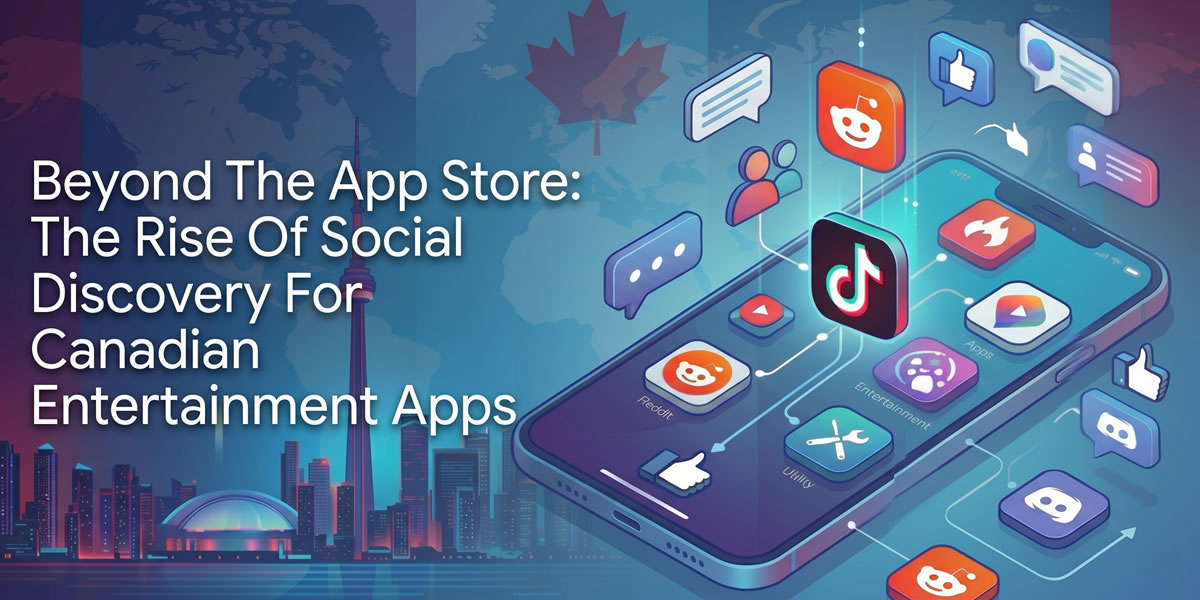
Remember how we actually used to look for phone apps? Opening up the official marketplace, tossing some random phrase into the search bar, and just… scrolling. You’d pretty much have to cross your fingers and hope the reviews weren't entirely written by bots. Looking back, it was such a clunky system. These days, nobody really does that anymore. For a lot of Canadian smartphone users, finding that next great mobile distraction doesn't start in a sterile app store. It happens by accident. You’re swiping through your TikTok FYP, maybe reading an overly heated debate on Reddit, and boom—someone drops a recommendation. Social networks aren't just for chatting anymore; they've quietly turned into our main search engines for software.
You see this shift clearly in the digital entertainment space, mostly because people up north have gotten incredibly picky about their screen time. If a layout is messy or the navigation lags even a little bit, it’s gone. Deleted. Traditional app descriptions just can't prove an interface is actually good, but a 15-second video from a trusted creator absolutely can. We don't really trust corporate ads anymore. We want to watch someone physically swipe through the menus and test the latency before we commit our storage space to it. When an interface gets that kind of grassroots approval, the word-of-mouth effect is massive. It creates these crazy regional traffic spikes, which is exactly why hyper-local buzz drives so many modern users toward something like a direct Melbet app - download for Canadian players—they just want to test out the exact platform their entire tech feed won't stop talking about.
The Death of the Search Bar: TikTok and Instagram as Curators
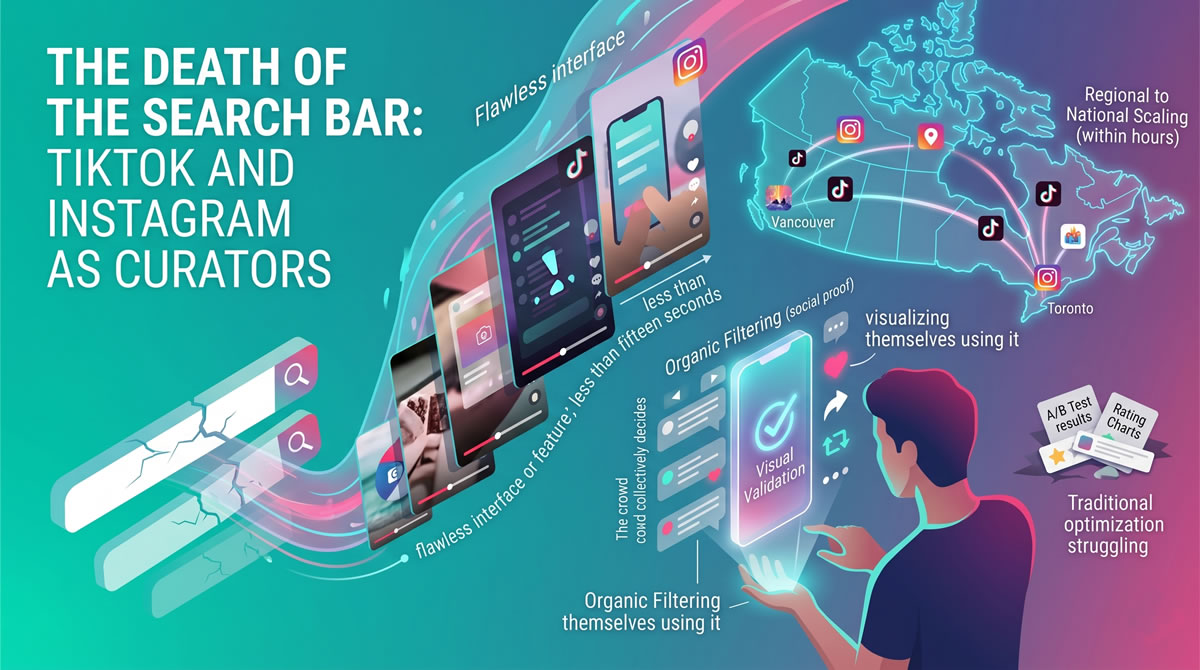
Let’s be completely honest for a moment. Static images and promotional text lines inside standard app stores are deeply boring. They rarely tell the whole story, do they? A short-form video, however, can capture the entire user experience in less than fifteen seconds. When a creator records their mobile screen, highlighting a flawless interface or an incredibly creative feature, viewers immediately visualize themselves using it. This visual validation perfectly bypasses the skepticism that traditional ads inevitably trigger.
In Canada, where mobile data plans sometimes require deliberate budgeting, users hate wasting megabytes on sub-par utilities. They rely heavily on social proof to avoid downloader's remorse. TikTok's algorithms, for example, are exceptionally good at pushing regional content. Plus, with the platform increasingly focusing on new collaborative features for shared discovery, finding a cool new utility app is quickly becoming a group activity among friends. This means a piece of software trending in Toronto or Vancouver can scale nationally within hours. It functions as an organic filtering system where the crowd collectively decides what is worth the storage space, leaving traditional optimization strategies struggling to keep pace.
Community-Driven Curation on Reddit and Discord
While algorithmic feeds are perfect for passive discovery, dedicated online communities offer a much deeper layer of validation. Platforms like Reddit and Discord have essentially become the internet's unofficial quality-control departments. If a mobile platform suffers from severe battery drain, invasive pop-ups, or sluggish performance, a local thread will expose those flaws instantly. There is no hiding from a frustrated subreddit.
But when an app actually gets it right, the reaction is pretty incredible. Tech crowds across Canada love jumping into local forums or Discord channels just to share their latest finds, sometimes spending hours arguing over minor UI changes or server speeds. That kind of genuine, user-to-user backing builds a level of trust you just can’t buy with a marketing budget. By the time someone actually hits download, they aren't guessing anymore—they already know exactly what they’re getting.
Key Paradigm Shifts in Canadian App Discovery
To understand exactly why this transformation happened so quickly, it helps to look at how traditional channels compare to modern, community-led channels across key user priorities. The differences are pretty stark when you lay them out.
What Makes a Mobile Interface Stand Out to Local Audiences?
Canadian consumers exhibit clear, non-negotiable patterns when evaluating software via their social feeds. They look for specific architectural choices that immediately separate professional applications from rushed weekend projects. Interestingly, these modern mobile preferences heavily mirror established core principles of human-computer interaction, prioritizing frictionless, user-centric design above all else:
- Responsive Fluidity: Any noticeable stutter during transitions or high-load actions causes immediate abandonment. If it isn’t smooth, it’s deleted.
- Resource Efficiency: Applications must run cleanly without causing excessive device heating or fast battery depletion. No one wants an app that turns their phone into a hand warmer.
- Intuitive Navigation: Complex menus are a relic of the past. Users expect to find what they need within two to three taps max.
- Localized Frameworks: Features tailored specifically to regional preferences, including localized content mapping and accurate time-zone handling, receive significantly higher retention rates.
When an application checks all these boxes, it naturally generates organic discussion. Content creators pick it up, break it down in review videos, and the cycle of social discovery repeats itself.
The Next Wave of Software Adoption
Things are moving fast, and honestly, the old way of pushing apps to users has completely lost its grip. People are just tired of the corporate spin. Before letting a new icon take up precious real estate on our home screens, we want a real person to say, "Hey, this actually works." This huge pivot toward social-driven downloads shows that we care way more about what the community thinks than what a flashy ad promises. If developers focus on building something genuinely smooth and stay active in those online spaces, the internet will happily do the marketing for them. The crowd is basically running the show now, and that traditional app store search bar is pretty much obsolete.