We need your help to keep this website free. You can
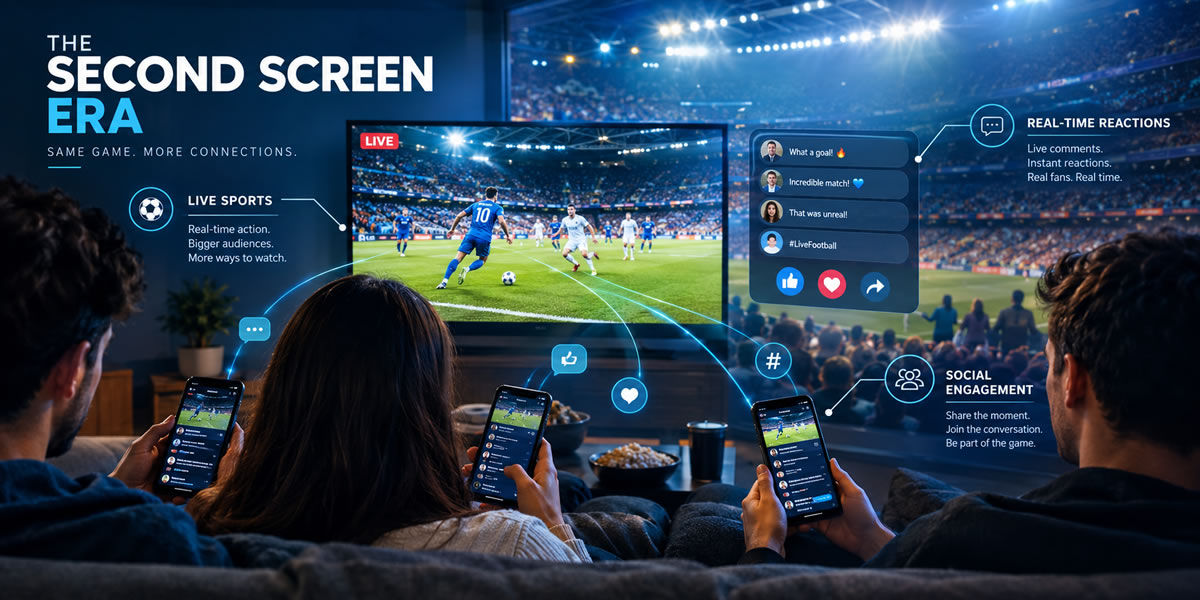
Let’s be completely honest for a second. When was the last time you sat through a full 90-minute football match or a four-quarter basketball game without picking up your smartphone? If you are anything like the rest of the viewing public, the answer is probably a resounding “never.”
The days of simply sinking into a couch and staring blankly at a single television broadcast are long gone. We still want to watch the big game, of course. But the broadcast alone just isn’t cutting it anymore. We crave the instant, chaotic reaction. We want to see the internet explode the exact second a star player misses an impossibly easy shot. This behavioral shift is what digital marketers and broadcasters call the “second screen” experience, and it has taken over the world of live sports.
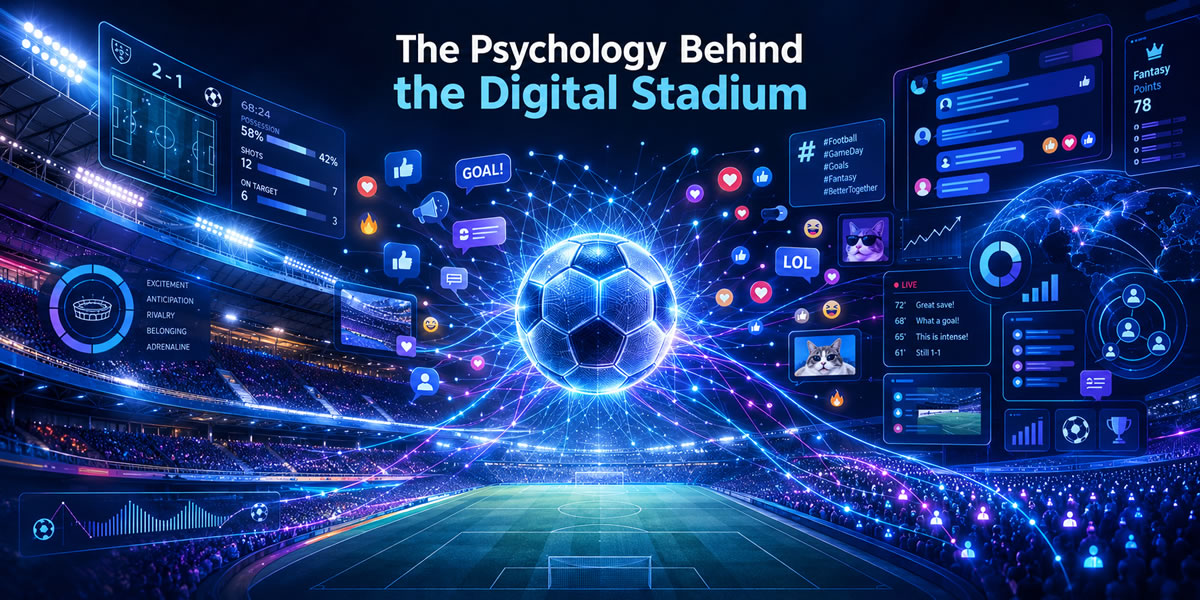
The Psychology Behind the Digital Stadium
Why exactly do we do this? It really boils down to the fundamental human desire for connection and community.
Before smartphones took over our lives, if a referee made a terribly controversial call, you would yell at your television or complain to whoever happened to be sitting in the room with you. Now? You can immediately jump online, fire off a post, and validate your frustration with thousands of strangers who are just as outraged. It turns an isolating living room setup into a massive, interactive global sports bar.
The social media stream is used as a virtual stadium. Viral hashtags, video footage, and non-stop live commentary replace the crowd's cheering. This helps feed our fear of missing out; when you do not look at your mobile phone while watching the Super Bowl or FIFA World Cup final matches, then basically half of the fun goes away.
What Are We Actually Doing on That Second Screen?
It’s very easy for older generations to assume people on their phones are just distracted. But they aren’t ignoring the game; they are engaging with the sport on a much deeper, more analytical level. The dual-screen habit usually peaks during the mundane lulls of a broadcast—timeouts, halftime shows, and tedious commercial breaks.
Here is a breakdown of what a typical fan’s second-screen behavior actually looks like on game day:
- Fact-checking and statistics digging: Checking out the performance, record, or previous injury record of a rookie right when they set foot on the field.
- Meme viewing and making: Biding time until that one particular face of the coach, which was definitely going to happen, makes its way into a meme in just a few minutes.
- Group chats: Posting instant updates to a live chat conversation with people whom one is watching the same broadcast with, miles away from each other.
- Fantasy games and updating results: Refreshing fantasy sports applications to check the status of the player and how they affected one’s score against their colleagues after a certain point is scored.
Where the Conversation Actually Happens
Not all social platforms serve the same purpose when the referee blows the whistle. The digital landscape is heavily fragmented, and different apps cater to entirely different fan needs during a live event.
| Social Platform | Primary Fan Use Case | Engagement Style & Vibe |
|---|---|---|
| X (Twitter) | Real-time reactions, breaking injury news, and live game commentary. | Fast-paced, highly reactive, text-heavy, and heavily driven by trending hashtags. |
| Deep tactical analysis, post-game threads, and sharing niche highlights. | Community-driven, long-form discussion, often highly critical and analytical. | |
| TikTok | Highlight edits, fan reactions, and behind-the-scenes tunnel walks. | Highly visual, algorithmic, heavily focused on youth culture and trends. |
| Player lifestyle content, official team announcements, and score graphics. | Highly curated, visually polished, heavily reliant on Stories for quick updates. |
The Shift Toward Interactive Entertainment
With this practice being a new standard, the distinctions between watching the game, discussing it, and taking part in the system of the sport are vanishing quickly. The media understand that keeping viewers engaged is extremely difficult when there are dozens of other applications fighting for their screen space.
And it is precisely the reason for the trend towards gamification and interaction that you can observe in sports media today. It is not only about observing the numbers go up anymore; it has become necessary to take part in what is happening. While live sports talks become increasingly popular, moving away from traditional TV studios and into live feeds, fans frequently switch between apps during commercial breaks.
Whether they are sharing obscure inside jokes on X or briefly checking interactive odds on platforms like Pari match, the modern viewer thrives on a multi-screen ecosystem where social engagement and digital entertainment seamlessly overlap. The psychological incentive is all about feeling physically and mentally involved in the outcome of the event, rather than just being a spectator.
Final Thoughts on the Future Fan
Second-screening technology does not appear to be just a fad; it is the new normal when it comes to entertainment. Future generations of sporting fanatics would not even comprehend the idea of passive broadcasting. As technology for augmented reality advances and mobile networks get even faster, there will no longer be any distinction between being in the actual stadium seats, sitting at home in front of the television, and engaging on the social media timeline. We’re not only watching the sport, but we’re also helping write the story behind it.