We need your help to keep this website free. You can
Shopify has introduced Canvas, a store-design workspace that lets merchants view and edit multiple pages together instead of moving through them one at a time. The announcement, covered by MediaPost, combines direct editing with help from Shopify's Sidekick assistant. For businesses that attract customers through social posts and creator campaigns, its appeal is straightforward: making the destination after a tap feel as coherent as the content that prompted it.

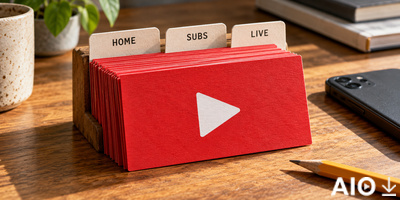
AllinOneDownloader original editorial illustration connecting social promotion with online store design; the device displays are conceptual mockups, not Shopify Canvas screenshots.
A wider view of the storefront
In Shopify's product announcement, Canvas presents the store as a zoomable workspace. Merchants can move between pages, make changes by clicking elements or asking Sidekick, and see the resulting site code rendered as they work. Product and collection views can be checked at different device sizes. Shopify says availability will expand over the coming days.
Early software, not a finished replacement
The company describes Canvas as an early product and says it is not yet replacing the existing store editor. That is a useful limit to keep in mind. A demonstration of quick layout changes does not establish how well the tool will handle every theme, app or merchant workflow. Those questions will depend on hands-on use as access widens.
The social post and the landing page share a job
A short product video may show a particular colour, bundle or use case. If its link opens a page with different imagery or an unclear offer, the visitor has to work out whether they have landed in the right place. Canvas does not remove that editorial decision. It could make it easier to compare the pages and catch inconsistencies before a campaign sends people there.
Keep the promise consistent
Consider a creator showing a ceramic mug in a morning routine. The store page should identify that mug clearly, explain what is included and display the same item accurately on a phone. A polished design is only one part of the handoff. As our discussion of creators' role in digital marketing notes, the content and the commercial relationship need to make sense together.
Paid endorsements also carry disclosure responsibilities. The FTC's guidance for social media influencers calls for clear disclosure of material connections, placed where people will notice it alongside the endorsement. A store-design assistant cannot take over that responsibility or verify a creator's personal experience with a product.
Faster editing still needs a final check
The same distinction applies to AI-assisted social storytelling: producing a draft and deciding it is ready are different jobs. Before publishing a redesigned page, merchants should check the mobile layout, product facts, links and checkout journey themselves. Canvas expands the editing options. Whether a campaign feels trustworthy still depends on the choices made inside them.