We need your help to keep this website free. You can

YouTube is adding an automatic publishing pause when it detects activity that could mean a channel has been hijacked. The security feature announced on October 21 temporarily blocks actions an intruder could use to change a channel quickly, while leaving its existing videos available to viewers.
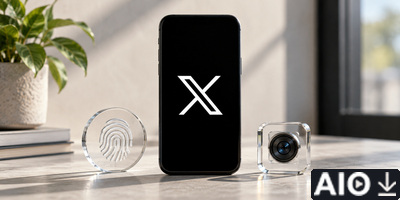
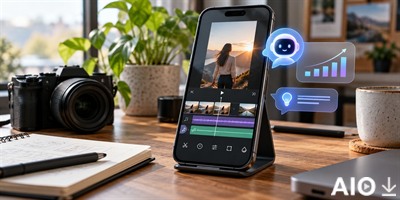
AllinOneDownloader original editorial still life about protecting video publishing during a security review; the camera and lock do not depict a specific compromised channel or an official YouTube screen.
In its TeamYouTube announcement, the company says the pause covers uploads and updates to videos and Shorts, live streams, playlist creation and additions, custom thumbnails, and switching a private video to unlisted or public. It is a restriction on making changes, not a decision to remove the existing library.
What the audience still sees
Viewers can keep watching existing videos and interacting with the channel. YouTube also says the pause does not change its monetization status. A creator may therefore have an accessible, earning channel while being unable to publish the next upload. Seeing a video play is not a reliable test of whether publishing access has been restored.
That separates the new measure from the policy route described in YouTube's Second Chance programme. Here, the trigger is suspected unauthorized activity and the next step is a security review, not an application to return after a termination.
Look for the security banner, not a guaranteed countdown
YouTube says Studio will explain the restriction, give an estimated review time and provide steps to secure the account and examine unauthorized changes. Reviews typically take place within 24 hours. That wording is an estimate, not a promise that a scheduled stream will become available at a particular hour.
Verified account security restores access; confirmed unauthorized activity brings further recovery instructions. For prevention, YouTube recommends two-step verification, consistent with CISA's guidance on multifactor authentication. It adds a login safeguard, but does not itself cancel a review. The account-protection layer is also distinct from tools aimed at detecting digital impersonation, which concern a creator's likeness rather than control of the channel.