We need your help to keep this website free. You can
Bitchat has been removed from Apple's India App Store following a government demand, according to an Apple notification shared by developer Jack Dorsey. The action targets access to the offline messaging app through the Indian storefront, rather than its availability worldwide.

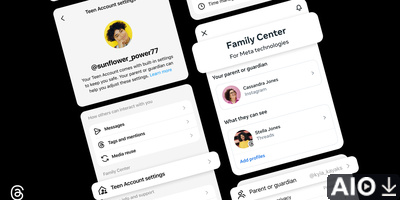
AllinOneDownloader original editorial illustration of nearby messaging and restricted app distribution; the screens are conceptual, not Bitchat interfaces or an official removal notice.
What the removal notice says
PTI reported that the Ministry of Electronics and Information Technology requested the takedown under Section 69A of India's Information Technology Act. Apple's message cited content considered illegal in India and directed the developer to the ministry for further information.
Business Today noted an important gap: the notification did not identify the particular content at issue or the specific legal ground invoked. The notice also covers TestFlight testing in India, including public testing links. Other territories selected by the developer remain available, according to Apple's message. That is narrower than saying Apple has removed Bitchat everywhere.
Offline communication still needs a route onto the phone
Bitchat's appeal comes from a different approach to messaging. Its Bluetooth mesh mode lets nearby devices relay messages without a mobile data connection or a central chat server. The project also supports internet-based communication through Nostr; calling every part of the app permanently offline would miss that distinction. The Bitchat background overview explains these two approaches.
Distribution and message delivery are separate problems. A system can be designed to send messages locally while still depending on an app store to reach new users. The removal notice concerns that distribution channel; it does not establish what happens to every copy already installed on a phone.
The wider debate over messaging access
Restrictions on communication apps are not limited to one platform or country. Our earlier coverage of Russia's limits on WhatsApp and Telegram calls offers another example of governments intervening in how people communicate. The technologies and measures differ, so those cases should not be treated as interchangeable.
For readers following the policy debate, the questions are practical: what has been restricted, who is affected, and what reason has been made public? They sit alongside the broader concerns covered in our report on social media's democratic impact. In Bitchat's case, the immediate change is clear, but the publicly reported notice leaves the specific content behind the demand unexplained.