We need your help to keep this website free. You can
Big changes are coming for Australian teens under 16 on YouTube. Starting December 10, 2025, YouTube will lock out younger users, thanks to new laws raising the age limit for social media. YouTube tried to dodge the rule, saying it helps kids learn, but regulators didn’t go for it—they added YouTube to the list anyway. Now, the platform’s rolling out stricter age checks. Teens will see a message that blocks them from signing in. They’ll still be able to watch non-restricted videos without logging in, but that’s about it. Liking videos, subscribing, or managing channels? Off the table.
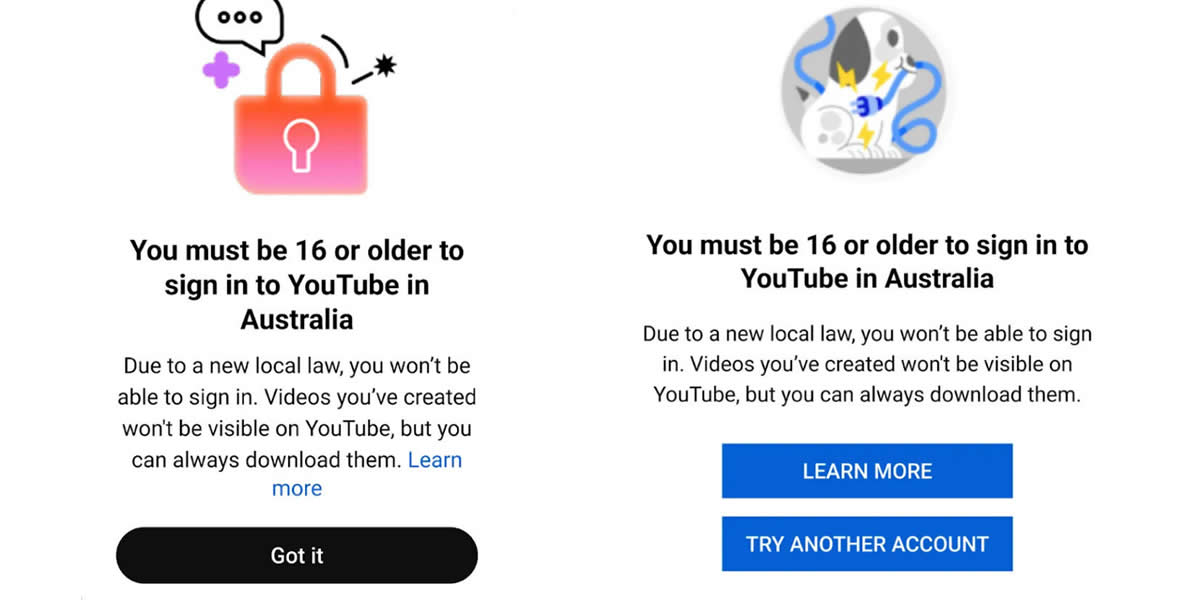
This hits young creators the hardest—they lose their chance to earn money from their content. If they want, users can download their data or just delete their accounts. Or they can simply wait until they turn 16 and get back in. Even with these new rules, a lot of teens seem pretty sure they’ll figure out ways around the bans. The whole point is to keep young people safe online, but whether these changes actually help is still an open question.
Government Push and Platform Response
Lawmakers introduced these teen social media restrictions last year. At first, they exempted YouTube because of its value for learning. However, the eSafety Commissioner successfully advocated for its inclusion. YouTube emphasized the advantages for young users in its objections. It attempted to set itself apart from typical social apps. In contrast, the law now treats them the same. Platforms are required to enforce the 16-year minimum strictly. Viewing content without signing in remains available for basic use. But interactive elements will disappear for those under 16.
This applies to supervised accounts as well. Ultimately, the aim is to safeguard vulnerable teens. Similarly, other apps are dealing with comparable challenges. YouTube's announcement confirms that sign-outs will happen automatically. Regardless of previous access, the rules will apply to everyone. Critics wonder if these bans will really limit exposure. Children might use VPNs or provide false ages. Nevertheless, officials are optimistic about creating safer digital environments.
Long-Term Impacts on Digital Habits
These Australian social media laws may change how teens interact online over time. Existing users will lose access for now, but can get it back later. On the other hand, future generations will encounter higher barriers from the start. This could encourage healthier habits from an early age. By contrast, YouTube contends that the restrictions reduce positive experiences. Educational content supports learning for many children. Yet, safety takes priority over convenience in this case. Above all, the discussion underscores the need to balance innovation and protection.
Regulators seek to minimize risks such as bullying or misinformation. But potential workarounds might weaken these efforts. In any case, YouTube is complying despite its concerns. This establishes a precedent for international platforms. Comparatively, other countries are observing closely. After all, the focus is on teen well-being. The real test will come after implementation. Will the bans deliver the desired results? Only time will tell in this developing landscape.