We need your help to keep this website free. You can
An approved political ad that has never run will not make Meta's election-week cutoff. The company has issued a reminder ahead of its US restriction period, which runs from October 27 through November 3 and covers political, election and social-issue advertising. Existing ads can keep running, but only if they meet its delivery requirement.
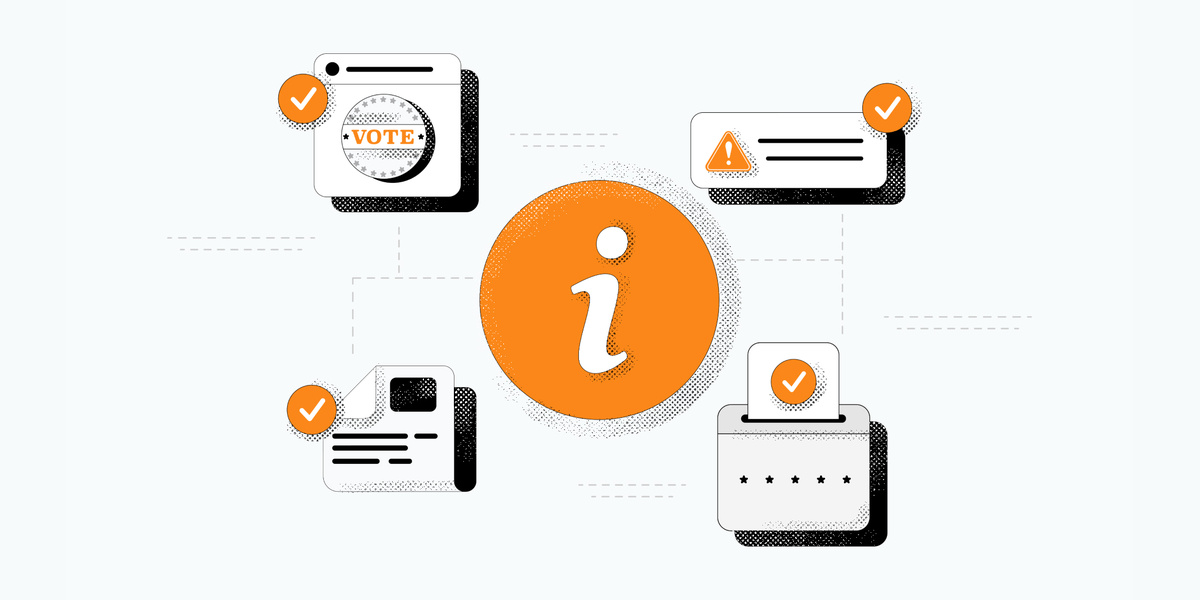
Source: Meta Newsroom's 2026 US elections press illustration; this is company-supplied artwork, not an independent interface test.
The campaign calendar has more than one deadline
Social Media Today reports three dates in Meta's reminder. The first two are recommended preparation dates. The third is the cutoff for an impression, meaning the ad must actually have been shown.
An unused approved ad still misses the delivery condition
Consider an ad that clears review but stays paused until the restriction begins. Approval does not create an impression. It would miss that last condition, even though its advertiser had finished the paperwork. Campaign managers need to check delivery separately; a review-status check alone is insufficient.
Eligible ads can be adjusted, but not redesigned
Meta allows changes to an eligible ad's budget, bid amount and end date during the restriction. Pausing and resuming are allowed too. Creative, placement, targeting and optimization cannot be changed. A spending adjustment is therefore a different proposition from replacing the message or moving it to a new audience.
Ordinary posts are not covered by this ad cutoff
The company's published election-policy overview puts this in the context of its recurring final-week advertising restrictions. It does not announce a blanket ban on ordinary political posts. Those remain subject to separate content and election-integrity rules.
Viewers have a different check to make: who paid for the message? Meta requires a "paid for by" disclaimer and keeps these ads in its Ad Library for seven years. That can help identify the sender, though it does not prove a claim true. Our coverage of deepfake ads and celebrity-bait scams explains why appearances can mislead.
We have also covered Vote.gov directs voters to their state or territory's election resources.